Daily word guess
Open the daily page, pick a daily room when it is available, and solve one focused hidden word challenge with clear clues and a fresh reason to come back tomorrow.
Daily word guess rooms
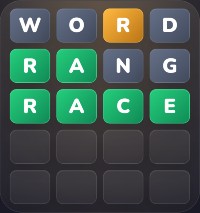
Daily rooms keep today’s word challenges close to the top of the page. This section is the clean list area for daily puzzle options, so players can choose the current challenge before moving into the longer guide below.
A daily word guess should feel small, focused, and worth finishing
A daily word game works best when it does not try to swallow the whole day. It should give you one clear problem, a few minutes of real thinking, and a clean feeling when the answer finally clicks. That is the idea behind Daily word guess on Wordichi. Instead of opening a random room and playing until attention fades, you come to one daily page with one simple purpose: find the hidden word for today and let the clues guide you there.
The appeal is not only that the puzzle changes. The appeal is that the rhythm changes with it. A normal word guess room can be played again and again, which is great when you want practice. A daily word guess feels different because the round has a natural edge. You give today’s answer your attention, make each attempt count, and leave with a result that belongs to this day. Tomorrow, the page can feel new without needing a complicated rule set or a heavy tutorial.
Wordichi already has word guess rooms by length, from short four-letter rounds to long eleven-letter challenges. The daily page is built to sit on top of that idea in a calmer way. A daily room can be quick, medium, or more thoughtful, but it should always feel like a hand-picked challenge rather than another endless button. The player should understand where to start, why the puzzle matters, and how to read the feedback without feeling pushed around by the page.
Every good guess creates information. A correct letter in the correct place gives you a fixed point. A letter that belongs somewhere else gives you movement. A rejected letter clears the board and makes future choices sharper. That simple clue loop is what makes a daily word puzzle satisfying. You begin with uncertainty, then the answer becomes less mysterious one decision at a time. The page gives that process enough space to breathe.
This daily section is also designed for players who like routine but do not want chores. You can open the page in the morning, during a break, after work, or before bed. The game does not need a long session to feel meaningful. One hidden word can be enough when the clues are fair, the board is readable, and the answer feels earned. That is why the page keeps the copy direct, the structure familiar, and the daily room list close to the top.
Play nowThe daily page gives the round a natural start and finish, so one puzzle can feel complete without turning into a long session.
Daily rooms keep current challenges in a dedicated list, so the page feels clear before the regular guide content begins.
Each attempt should teach you something useful: fixed letters, movable letters, and letters that no longer belong in the answer.
A daily puzzle gives players a reason to come back without making the game feel noisy, forced, or overcomplicated.
How the daily word guess rhythm works
The best daily puzzles are easy to understand before the first move. You should not need to study a long rules page, memorize strange symbols, or guess what the game expects from you. A daily word guess uses the same natural idea most word game players already understand: enter a word, read the response, and use that response to make a better next guess. The fun comes from the chain of decisions, not from hidden instructions.
At the start of a daily round, the answer is unknown and the board is quiet. Your first guess is not only an attempt to win; it is a way to ask the game a question. Which letters are useful? Which positions are promising? Which sounds or shapes should be avoided? A strong first guess does not have to be perfect. It only has to make the second guess smarter.
After feedback appears, the round becomes more personal. One player may notice a likely ending. Another may spot a vowel pattern. Another may remove a whole group of impossible words because one common letter is missing. That is the beauty of a word guessing puzzle: the board gives the same clues, but each mind organizes them in a slightly different way. The daily format makes that moment more memorable because everyone is solving the same kind of challenge for the same day.
A daily word guess should also respect time. Some players enjoy a quick solve and move on. Others like to sit with the puzzle and test several ideas in their head before typing. The page should support both. It should not punish a careful player for thinking, and it should not slow down a confident player who sees the answer early. The right pace is the pace where every clue feels useful and every guess feels intentional.
With the daily room list near the top, this rhythm can turn into a clean habit. The player lands on the page, sees the current daily options, chooses the room that fits the moment, and starts solving. No clutter is needed. No extra explanation has to fight for attention. The page simply places the daily challenge where it belongs and lets the puzzle do the work.
The daily page is also a good bridge between casual play and long-term interest. A player who only has a few minutes can still complete something. A player who wants more can continue into the regular 4 to 11 letter rooms after the daily puzzle is finished. That makes the daily mode feel like a front door: friendly enough for a first visit, but connected to the deeper game for anyone who wants more.
Why a daily word puzzle can become a real habit
People return to daily word games because the promise is clear. There is a new word, a new board, and a small test waiting. The commitment is light, but the reward is real enough to remember. You do not need to plan a session or clear your schedule. You only need the willingness to think for a few minutes and follow the clues until the answer makes sense.
That kind of habit is different from endless grinding. Endless play can be fun, but it can also blur together. A daily challenge creates a clean line around the experience. Today’s puzzle is today’s puzzle. It has its own first guess, its own turning point, and its own final moment. Even when the answer is simple, the fact that it belongs to a date gives it a little more weight.
A daily word guess also gives players a low-pressure way to improve. Because the structure repeats, you begin to notice your own patterns. Maybe you always guess too quickly after finding one correct letter. Maybe you ignore absent letters and accidentally reuse them. Maybe you choose opening words that feel nice but do not reveal enough information. The daily format makes those habits visible without turning the game into a lesson.
Improvement in a word game rarely feels dramatic. It is usually quieter. You pause before a risky guess. You remember that a yellow clue means the letter must move. You look for endings instead of chasing random letters. You stop trying to force the answer you wanted and start listening to the board. After enough daily rounds, those small habits become natural.
The daily page is built around that calm kind of progress. It does not need to shout. It only needs to be reliable: a place where the player can return, see the daily challenge, and know exactly what kind of thinking is waiting. That reliability is what makes a word game feel friendly over time. It becomes part of the day because it asks for focus, not effort for the sake of effort.
For Wordichi, the daily format also connects the puzzle to the wider world of the game. A solved word can feel good on its own, and it can also support the larger loop of rooms, rewards, and growth. The daily challenge can be the first win of the day, a warm-up before longer rooms, or the only round someone plays when time is short. All of those uses are valid because the daily puzzle has a clear shape.
A better daily guess starts with better questions
The first guess in a daily word puzzle should not be treated like a lottery ticket. It is more useful to think of it as a question. You are asking the hidden word which letters matter, which positions are alive, and which paths are already closed. A guess that reveals three useful facts is often better than a guess that only looked close because it came from a hunch.
After the first response, avoid the most common mistake: chasing only the green letters. Fixed letters are helpful, but they are not the whole answer. A movable letter can be just as important because it tells you that the sound belongs somewhere else. An absent letter is important too because it removes noise. Good daily players use all three types of information instead of staring at the most exciting clue.
It helps to slow down for a second before each new attempt. Ask what the next guess is supposed to prove. Does it test a vowel you still need? Does it move a known letter into a more likely place? Does it avoid letters that already failed? Does it create a word shape that could actually exist? If you cannot explain why the guess helps, it may be too early to send it.
Another useful habit is to separate possibility from evidence. A word may feel possible because it sounds right, but the board may already disagree with it. Daily word guess rounds become cleaner when you let evidence win. If a letter is gone, remove it. If a letter must move, do not keep it in the same place. If a position is confirmed, build around it instead of fighting it.
Longer daily rooms, when available, will ask for more organization. The answer may have a prefix, an ending, a double letter, or a familiar chunk hiding in the middle. Shorter daily rooms can be sharper because there are fewer spaces to test. Either way, the strategy stays human and simple: make a useful guess, read the whole clue, and make the next guess better than the last one.
The goal is not to solve every daily word in the fewest possible moves. That can be satisfying, but it is not the only measure of a good round. Sometimes the best part is the turn where the answer suddenly stops being vague. You see why one letter must move, why another letter cannot fit, and why the word you ignored a minute ago is suddenly obvious. That small moment of clarity is the reason daily word puzzles keep working.
Daily rooms can make word length feel more intentional
Word length changes the personality of a puzzle. A four-letter daily room can feel quick and sharp. There are not many positions, so every clue matters immediately. A five-letter daily room gives a classic balance that many players understand right away. Six and seven letters create more room for structure. Eight or more letters can turn the round into a slower investigation where the answer appears in pieces.
That is why a daily room list belongs near the top of this page. The player should not have to search for the day’s challenge. If several daily rooms exist later, the list can show them clearly and let each room feel like a deliberate choice. One player may want the fast daily answer. Another may want the deeper version. Another may pick the room that matches their current Wordichi state, energy, or available time.
A daily puzzle does not have to be the same length every time to feel fair. What matters is that the room communicates its rhythm. Short means quick and tight. Medium means balanced and readable. Long means patient and rewarding. When the page presents those options cleanly, the player can choose the kind of thinking they want before the first guess.
The regular 4 to 11 letter word guess page is already about choosing difficulty by length. The daily page adds a second layer: choosing a challenge that belongs to the day. That makes the room feel less like a generic menu item and more like a small event. The answer is not just hidden; it is today’s hidden word, placed in a room that has its own pace.
This structure can support different kinds of daily play without changing the whole design. A simple daily room can serve new players. A longer daily room can give experienced players something to chew on. A special daily challenge can highlight a certain length or reward style. The page keeps those choices readable because the daily list has its own clear place.
FAQ
Common questions about Daily word guess on Wordichi.
What is Daily word guess?
Daily word guess is a Wordichi page for daily hidden word challenges. The goal is to solve the current daily word by using clue feedback after each attempt.What are daily rooms?
Daily rooms are the challenge cards for the daily page. They keep the current word guess options separate from the regular room guide.How is a daily word guess different from regular rooms?
Regular rooms are good for repeated practice. A daily word guess is built around one focused challenge that feels tied to the day.Can a daily word be short or long?
Yes. Daily rooms can use different lengths, from quick short words to longer word hunts, depending on the daily challenge style.What is the best first guess?
A good first guess tests useful letters and creates information. It does not need to be perfect; it needs to make the next guess smarter.Can I play after finishing the daily puzzle?
Yes. The daily page can act as a warm-up, and the regular 4 to 11 letter word guess rooms are there when you want more rounds.Come back for the word that belongs to the day
A daily word guess works because it is simple enough to start and focused enough to remember. You open the page, look at the daily room area, and prepare for one hidden word that asks for real attention. The board does not need to be loud. The reward does not need to be complicated. The pleasure is in the moment when scattered clues finally become a word.
Wordichi can use this daily page as a calm meeting point between quick play and deeper rooms. A player can solve the daily challenge and leave satisfied, or continue into longer word guess rooms when there is more time. Both paths make sense. The daily puzzle is not a replacement for regular play; it is a reason to return and a clean way to begin.
The page keeps the right shape for daily play: a clear title, a visible room list, human text around the experience, and enough explanation to make the mode feel natural. The promise is simple and easy to remember. One day, one word, one focused solve.
Play now