Enter a word and use the colours to separate correct, misplaced and absent letters.
British English word challenge
Guess the word online
Make a useful first guess, read the colours on the board and work out the hidden British English word before the round ends.
Fast rounds
Letter clues
Free to play
Timed mode
4-11 letters
Daily puzzle
A quick test of vocabulary
Find the word by paying attention, not by throwing guesses at it
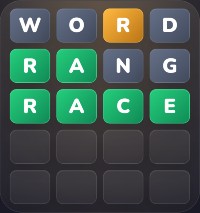
Wordichi Guess gives you a hidden word and a limited number of attempts to uncover it. Each submitted word changes the board. A correct letter in the correct place is shown in green, a letter that belongs elsewhere is shown in yellow, and a letter outside the answer is shown in grey.
The British English section is made for players who expect familiar spelling and natural UK wording. The rules are immediate, but a good solve still asks you to notice vowel patterns, common endings and letters that may appear more than once.
Choose a short room when you fancy a puzzle with your tea, or settle into a longer answer when you have time to think. Nothing needs to be downloaded. The game opens in the browser and works on mobile as well as desktop.
A win does more than clear the board. It can bring XP, coins and progress for your Wordichi, which gives every careful guess a little more purpose.
Every attempt leaves evidence. Your next word should answer the biggest question on the board.
Keep an eye on the clock, but do not waste an attempt simply because the timer is moving.
Practise in shorter rooms, then move to longer words when you want a tougher piece of deduction.
How to play
Find the answer before you use every attempt or run out of time. Keep green letters in place, move yellow letters to a new position and leave grey letters out. Treat each guess as a question that the board can answer.
1
Make your first guess
Choose a real word with useful vowels and common consonants. The aim is to reveal the shape of the answer.
2
Use the clues
Keep confirmed letters where they belong, move misplaced ones and avoid anything the board has ruled out.
3
Solve before the end
Once the pattern becomes recognisable, stop testing unrelated letters and commit to the most likely answer.
A sensible way to narrow the answer
Your opening word should reveal information, not attempt a miracle. Common vowels and consonants are useful because they quickly show whether the answer has a familiar shape.
Do not put a yellow letter back into the same position. Move it deliberately and ask which British English word could fit the confirmed pattern. Green letters should stay fixed unless the game shows that a repeated letter is possible.
A second guess should test something new. Reusing several grey letters may feel safe, but it gives away an attempt without teaching you anything. Save uncommon letters such as Q, X and Z until the pattern gives you a reason to consider them.
Before submitting, read the entire row once more. A calm check catches many mistakes that have nothing to do with vocabulary.
Play your way
Choose how long you want to think
Short answers reward quick elimination. Medium rooms give you space to test patterns. Long answers reveal more clues at once, but organising all that information takes patience.
01
Why a shorter word is not always easier
Short, medium, and long rooms all ask you to guess the hidden word, but each length changes the way you think.
Read guide
02
One British English puzzle for the day
Use the daily puzzle when you want one focused word challenge to come back to every day.
Daily wordStart with a 4 letter word guess or 5 letter word guess for a brisk round. Short answers look friendly, though similar word shapes can make them surprisingly awkward.
A 6 letter word guess or 7 letter word guess is a comfortable middle ground. There is enough space for prefixes, suffixes and repeated letters without turning the board into a long investigation.
Rooms from 8 letters to 11 letters suit players who enjoy building an answer in pieces. Look for familiar endings and organise the clues before committing.
Why a shorter word is not always easier
Four and five letter answers leave little room for experimentation. Many common words share the same pattern, so one misplaced assumption can send the whole round the wrong way.
Six and seven letters provide a balanced puzzle. You can test an ending, move a vowel and still have enough positions left to compare several plausible answers.
Long words give more feedback with every attempt. The difficult part is keeping track of it. Group confirmed letters into chunks and look for a recognisable prefix or suffix rather than reading every tile separately.
What each clue colour means
Green confirms both the letter and its position. Yellow confirms the letter but tells you to move it. Grey removes that letter from consideration unless the answer may contain another copy.
The colours turn a guess into evidence. Read them from left to right, then consider the shape of the whole word. A likely ending or repeated consonant can be more useful than another random attempt.
If you are stuck, list what is certain, what can still move and what has been ruled out. The answer often becomes obvious once those three groups are kept separate.
Daily puzzle
One British English puzzle for the day
The daily word guess gives everyone in the British English section the same dated challenge. Solve it once, keep the result and return the next day for a fresh answer.
Open today's word rooms when you want the current puzzle. Regular rooms remain available when one solve is not enough and you fancy more practice.
daily word guess game gives you a simple routine puzzle to solve and revisit.
guess the word of the day when you want the current shared challenge.
Use clue feedback after every guess instead of trying to solve from memory alone.
Keep the round moving. The timer makes a solved word feel sharper and more rewarding.
FAQ
Straight answers about the British English Guess Word rooms.
How does Guess Word work?
Submit a word, read the green, yellow and grey clues, then use that evidence to find the hidden answer before the round ends.Is this the British English version?
Yes. You are browsing the en-GB section, with British wording throughout the page and links to British English rooms.Do the clue colours follow a simple rule?
Green means correct letter and position. Yellow means the letter belongs elsewhere. Grey means it is not in the answer.Which word length is best for a first round?
Five or six letters gives a useful balance. Four letters is quicker, while longer answers need more careful organisation.Can I play without installing an app?
Yes. The game runs in your browser on a phone or computer.Is there a new word every day?
Yes. The daily section provides dated puzzles alongside the regular replayable rooms.Have a guess, then let the colours guide you
Choose a word length that fits the time you have. A short round can brighten a spare minute, while a longer answer is worth settling down for.
Make the first guess useful, trust the evidence and enjoy the moment the hidden word finally becomes clear.