Four and five letter rounds are quick, direct, and easy to restart when you want a warm-up or a short break.
British English rooms by length
4 to 11 letter word guess
Pick a short British English word for a quick go, or take on a longer answer when you fancy a more deliberate piece of deduction.
4-5 letters
6-7 letters
8-11 letters
XP and coins
Timed rounds
Letter clues
Choose your British English room
Play now
Daily word
The number of letters changes how the whole solve feels
A good word game does not need to feel complicated before it becomes interesting. In Wordichi, the room length does most of that work. A 4-11 letter word guess page lets you choose the size of the hidden answer before the round begins, so the puzzle can match your mood instead of forcing every player into the same rhythm. Sometimes you want a short, sharp guess that wakes up your brain in one minute. Sometimes you want a longer word that gives you room to test ideas, read patterns, and feel the answer slowly come together.
Each room uses the same friendly loop: type a real word, send it, and study the clue colours. A correct letter in the right place becomes a locked piece of the answer. A letter that belongs somewhere else becomes a moving clue. A missing letter clears space in your head. The rules stay simple, but the thinking changes as soon as the answer gets longer. Four letters can feel like a fast duel. Eleven letters can feel like a small investigation.
The choice is not only cosmetic. Shorter rooms are easier to enter and cheaper to play. Longer rooms ask for higher level, more energy, and more patience, but they also give stronger rewards when you win. That makes each room feel like a real decision. You are not only choosing how many letters to solve. You are choosing how much risk, focus, and reward you want in this round.
This page is written for players who want a clear overview before they jump in. You can compare the 4 letter word guess room, the classic 5 letter word guess room, the medium 6 and 7 letter rooms, and the long 8 to 11 letter challenges. Every block explains how the length feels, what kind of thinking helps, and what you can earn when the hidden word finally opens.
Play nowSix and seven letter words give enough space for real strategy without turning the round into a slow puzzle.
Eight to eleven letter rooms reward calm pattern reading, better planning, and smarter use of every clue.
Higher rooms cost more energy and unlock later, but wins can bring more XP, mood, and coins.
Pick a length
4 to 11 letter word guess rooms
4 to 11 letter word guess rooms
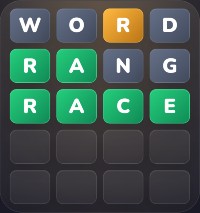
Every room has the same goal: find the hidden word before attempts or time run out. The difference is how much information you must manage. Short words are tight and fast. Medium words give a balanced challenge. Long words ask you to build the answer from several clue patterns at once.
04
4 letter word guess
The 4 letter word guess room is the quickest way to start. It is small enough to feel friendly, but it is not empty thinking. With only four spaces, one confirmed letter can change everything, and one repeated bad idea can waste the whole round. This room is good when you want a fast word puzzle, a warm-up before harder rooms, or a simple place to learn how the clue system behaves.
Use broad guesses here. You do not have many spaces, so each attempt should test useful letters instead of chasing a perfect answer too early. When the board gives you one green position or one movable letter, slow down for a second and ask which common word shapes still make sense. A short word often solves quickly when you stop guessing from feeling and start using the information you already earned.
Unlock Lv. 1
+18 XP
+8 Mood
+10 Coins
-6 Energy
-5 Fail HP
The easiest room to enter, with light energy cost and a clean beginner reward.
05
5 letter word guess
The 5 letter word guess room is the classic sweet spot. Five letters give enough room for vowels, endings, and smart letter movement, but the round still feels fast. It is the room many players come back to when they want a familiar balance: not too short, not too long, and always readable after the first couple of clues.
A strong opener matters here. Try to reveal the shape of the word early, then use the second guess to test the letters that would make that shape believable. Five-letter answers often turn on one hidden vowel or one consonant that belongs in a different position. If you respect those clues, the room feels fair even when the answer is not obvious right away.
Unlock Lv. 5
+28 XP
+10 Mood
+16 Coins
-8 Energy
-7 Fail HP
A classic room with better rewards and a still-manageable energy cost.
06
6 letter word guess
The 6 letter word guess room is where the puzzle begins to feel more strategic. You have more positions to read, which means a single clue can connect with several possible patterns. This length is good for players who already understand the basic feedback and want a round that asks for a little more planning.
Six-letter words often reward balanced guesses. You still want common letters, but you can also start thinking about pairs, endings, and the middle of the word. If one letter is confirmed and another letter is present, do not treat them separately. Imagine how they could live in the same answer. That habit turns the room from simple trial and error into a sharper word hunt.
Unlock Lv. 10
+42 XP
+12 Mood
+24 Coins
-11 Energy
-10 Fail HP
A stronger mid-game room with more XP, more coins, and a clearer skill test.
07
7 letter word guess
The 7 letter word guess room is a confident step up. Seven letters give the answer enough room to hide, but not so much that the board becomes hard to read. You can test a good mix of vowels and consonants, then begin looking for real word structure: a likely start, a likely ending, or a familiar chunk in the middle.
This room rewards players who can change plans. A first guess might show a useful vowel pattern. A second guess might prove that your first shape was wrong. That is not a failure. It is the game doing its job. In a seven-letter round, each clue should reshape your next decision. The faster you accept new information, the cleaner your final guess becomes.
Unlock Lv. 15
+58 XP
+14 Mood
+34 Coins
-14 Energy
-13 Fail HP
A focused challenge with higher rewards and enough length to feel like a real solve.
08
8 letter word guess
The 8 letter word guess room changes the pace. The word is now long enough that you may know several letters before you know the answer. That can feel strange at first, but it is also satisfying, because the puzzle becomes more about building an outline. You are not waiting for one lucky word. You are collecting structure.
Look for patterns that are bigger than one letter. An eight-letter answer may have a familiar ending, a repeated sound, or a chunk that belongs together. When the board gives you clues, group them in your head. Which letters are locked? Which letters are floating? Which positions are still empty enough to test? The room becomes much easier when you manage the whole shape instead of staring at one blank tile.
Unlock Lv. 20
+76 XP
+16 Mood
+46 Coins
-18 Energy
-16 Fail HP
The first long room, with a bigger win reward and a more serious energy decision.
09
9 letter word guess
The 9 letter word guess room is for players who enjoy a deeper word puzzle. Nine letters give you plenty of information to read, but they also give the answer room to mislead you. A half-known word can look close while still missing the key piece. This is where patience matters as much as speed.
Use your guesses to divide the problem. One attempt can test the beginning, another can test the ending, and another can check letters that would connect the two. Do not panic when the board looks crowded. Long rounds are won by organising clues. Mark what is certain, avoid what is rejected, and keep asking what kind of word could fit all the evidence at once.
Unlock Lv. 25
+96 XP
+18 Mood
+60 Coins
-22 Energy
-20 Fail HP
A high-focus room with strong coins and XP for players who can manage more clues.
10
10 letter word guess
The 10 letter word guess room is a serious challenge. Ten letters make every guess feel important because the board can return a lot of information at once. You may see several correct ideas mixed with several wrong ones, and the real skill is separating them without rushing into a guess that only looks close.
At this length, treat the answer like a full puzzle. Think about prefixes, endings, repeated letters, and common combinations. When a letter is present but misplaced, move it with purpose. When a letter is absent, remove it completely from your plan. A ten-letter solve feels good because it rarely feels random. It feels like you built the answer one decision at a time.
Unlock Lv. 30
+118 XP
+20 Mood
+78 Coins
-27 Energy
-24 Fail HP
A late-game room with major reward value and a mistake cost that asks for respect.
11
11 letter word guess
The 11 letter word guess room is the longest hidden word challenge in this set. It is not meant to be the fastest room. It is meant to feel complete. You get a large board, a lot of possible information, and a reward that matches the extra effort. This is the room to choose when you want the round to feel like a proper word hunt.
The best approach is calm and methodical. Start with a word that reveals useful letters, then keep building a map. Long answers often become clear in pieces: a beginning, an ending, a cluster of confirmed letters, and a set of impossible letters that clears the rest. When you finally solve an eleven-letter word, the result feels earned because the answer came from a chain of clues, not from a lucky tap.
Unlock Lv. 35
+145 XP
+24 Mood
+100 Coins
-32 Energy
-29 Fail HP
The top room, with the biggest rewards and the highest demand for focus.
How rewards scale by word length
Rewards are part of what makes the room choice feel meaningful. A short room is easier to enter and costs less energy, so it is useful for regular practice. A long room asks for more level progress and a larger energy spend, but a win can return more XP, more mood, and more coins. That is the basic trade: smaller rooms are comfortable, bigger rooms are more rewarding.
XP helps your Wordichi grow, coins let you keep building your options, and mood makes a win feel like it matters outside the board. Energy cost is the price of playing the round, so it is worth choosing a room that fits your current state. If you are low on energy, a short room can keep the game moving. If you are ready for a bigger push, a longer room can make the session feel more valuable.
The fail health value is shown because risk should be visible. Losing a room should not feel mysterious. The higher the room, the more careful you should be with guesses, because the penalty also becomes stronger. That does not mean you should avoid long rooms. It means you should enter them when you are ready to read the board properly.
How to choose the right word length
Choose a 4 or 5 letter room when you want speed. These rooms are good for learning, warming up, and playing a puzzle without committing to a longer session. They also help you practise the most important habit in any word guessing game: do not waste a clue. Because the board is small, every bit of feedback is loud.
Choose a 6 or 7 letter room when you want balance. These lengths are long enough for strategy but still short enough to keep the round moving. If you enjoy thinking about common endings, vowel placement, and how letters can move from one slot to another, the middle rooms usually feel the most natural.
Choose an 8, 9, 10, or 11 letter room when you want depth. Longer words give more information, but they also demand better organisation. The board may show several partial truths at the same time. You need to hold those truths together and avoid jumping at the first word that seems close. This is where experienced players can separate a real solution from a tempting guess.
There is no single best room. The best room is the one that matches your focus right now. A quick four-letter win can be exactly right during a short break. A careful eleven-letter solve can be the most satisfying round of the day. Wordichi works best when you treat length as a mood selector: fast, balanced, or deep.
Why a longer word is not always harder in the same way
It is easy to think that each extra letter simply makes the game harder, but word length changes the type of thinking more than the raw difficulty. A four-letter answer has fewer spaces, so one wrong idea can corner you quickly. There are not many positions to test, and many short words share similar patterns. That can make a small room surprisingly sharp.
A longer answer gives the hidden word more places to hide, but it also gives you more clues to collect. When you have eight or nine tiles, even a wrong guess may reveal several useful pieces. A confirmed first letter, a rejected vowel, and a movable consonant can combine into a strong picture. The challenge is not that you have no information. The challenge is organising the information without getting messy.
That is why the same player can enjoy different rooms on different days. Short rooms feel like quick decisions. Medium rooms feel like clean deduction. Long rooms feel like construction. You are building a shape from evidence, checking which pieces still fit, and removing the pieces that no longer belong.
When you understand that difference, the 4-11 letter word guess page becomes more than a menu. It becomes a way to choose how you want your brain to work for the next few minutes.
FAQ
Common questions about 4 to 11 letter word guess rooms.
What is a 4-11 letter word guess?
It is a set of Wordichi guess rooms where the hidden answer can be 4, 5, 6, 7, 8, 9, 10, or 11 letters long. You choose the length before playing.Which room should I play first?
Start with 4 or 5 letters if you want a quick warm-up. Move to 6 or 7 letters for balance, and try 8 to 11 letters when you want a deeper challenge.Do longer rooms give better rewards?
Yes. Longer rooms unlock later and cost more energy, but they can give more XP, mood, and coins when you win.Are short rooms too easy?
No. Short words are faster, but they can be tight. With fewer spaces, every clue matters and a careless repeat can cost the round.What makes long rooms different?
Long rooms give more clues and more structure, but you must organise the information carefully. They reward patience and pattern reading.Can I play these rooms on mobile?
Yes. Wordichi runs in the browser, and each room is made for quick play on desktop or mobile.Start with the length that feels right
A word guessing game feels better when you can choose the pressure before the first letter is typed. That is why the 4 to 11 letter rooms matter. They let you start small, climb into medium puzzles, or jump straight into longer answers when you want a fuller challenge. The clue system stays clear across every room, but the rhythm changes enough to keep the game fresh.
Use short rooms to sharpen your instincts. Use medium rooms to practise balanced deduction. Use long rooms when you want a careful solve that pays back with bigger rewards. Every room teaches the same lesson in a different shape. A good guess is not just a word that might be right. It is a word that makes the next decision smarter.
Pick a length, read the board, and let the clues do their work. The hidden answer is waiting, and every attempt should bring it closer.
Play now