Daily 6-letter word guess
Six letters introduce useful word chunks without making the board difficult to hold in your head. Look beyond single tiles and find the structure connecting them.
Daily 6-letter word rooms
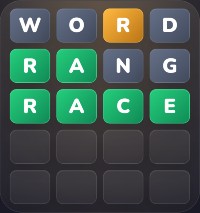
Today's six-letter room appears first, followed by nearby dates for players who want another puzzle at the same balanced length.
Six letters turns clue-reading into word-building
A six-letter answer often becomes visible in parts. You may recognise an ending before the opening, or confirm a pair of consonants while the vowels are still moving around the board.
This makes the daily solve less about a lucky complete word and more about assembling evidence. Each useful row can confirm a chunk, remove an ending or expose the position where a missing vowel must sit.
Play today's wordUse the opening row to reveal both vowels and a broad consonant pattern.
Treat two adjacent green letters as a chunk rather than separate clues.
Check common British English endings when the final positions begin to settle.
The balanced length makes a good everyday step beyond the classic five-letter board.
How to build a six-letter answer from pieces
After the first attempt, look for pairs or triples that could belong together. A confirmed start, middle pair or suffix narrows the answer more effectively than six isolated notes.
Use a later guess to test the part of the word that remains least certain. There is little value in repeatedly confirming a chunk you already understand while three other positions remain unexplored.
A daily puzzle with enough depth to notice habits
Six-letter rooms reveal whether you tend to focus too heavily on beginnings, endings or individual tiles. Returning to the same length makes those habits easier to recognise and correct.
Test likely word families without forcing them
Prefixes and suffixes are helpful only when every earlier clue supports them. Do not attach a familiar ending to a pattern that requires a grey letter or places a yellow letter back where it failed.
When several answers remain, choose a valid guess that separates them. Testing the letters that differ is often better than gambling on your favourite possibility.
Why six letters feels balanced
The answer is long enough to contain recognisable structure but short enough for the whole pattern to remain visible at once. It rewards both vocabulary and careful elimination.
Questions about today's word
Answers for players moving into the six-letter daily room.
What changes at six letters?
Prefixes, suffixes and letter pairs become more useful because the answer has room for larger patterns.Should I solve from the beginning of the word?
Not necessarily. A clear ending or middle chunk can be the strongest route into the answer.How should I choose between two likely words?
Use a valid guess that tests the letters on which those words differ.Can I revisit earlier dates?
Yes. The room list includes other dated six-letter puzzles when available.Assemble the answer rather than waiting for it to appear
Read today's six-letter board in chunks, test the uncertain part and keep every confirmed position intact. Return tomorrow for a fresh structure at the same balanced length.
Play today's word